 CAMPGROUNDER
Why California has more beautiful places to camp than anywhere else.
On August 7, Architectural Digest ran a piece by Amelia Mularz called The 5 Most Beautiful Places to Camp in California. It is a good list, and a short one, which is the hard part. Narrowing this state to five is like narrowing music to five songs.
All five are on Campgrounder, and one of them was not until this week. We were listing Prairie Creek Redwoods and Crystal Cove at the park level, which is a quiet way of hiding the actual campground someone is trying to book, and Yosemite's North Pines was missing outright. Fixed. Here is the list, with the listing for each, followed by the reason a single state keeps producing landscapes like these.
1. Elk Prairie, Prairie Creek Redwoods
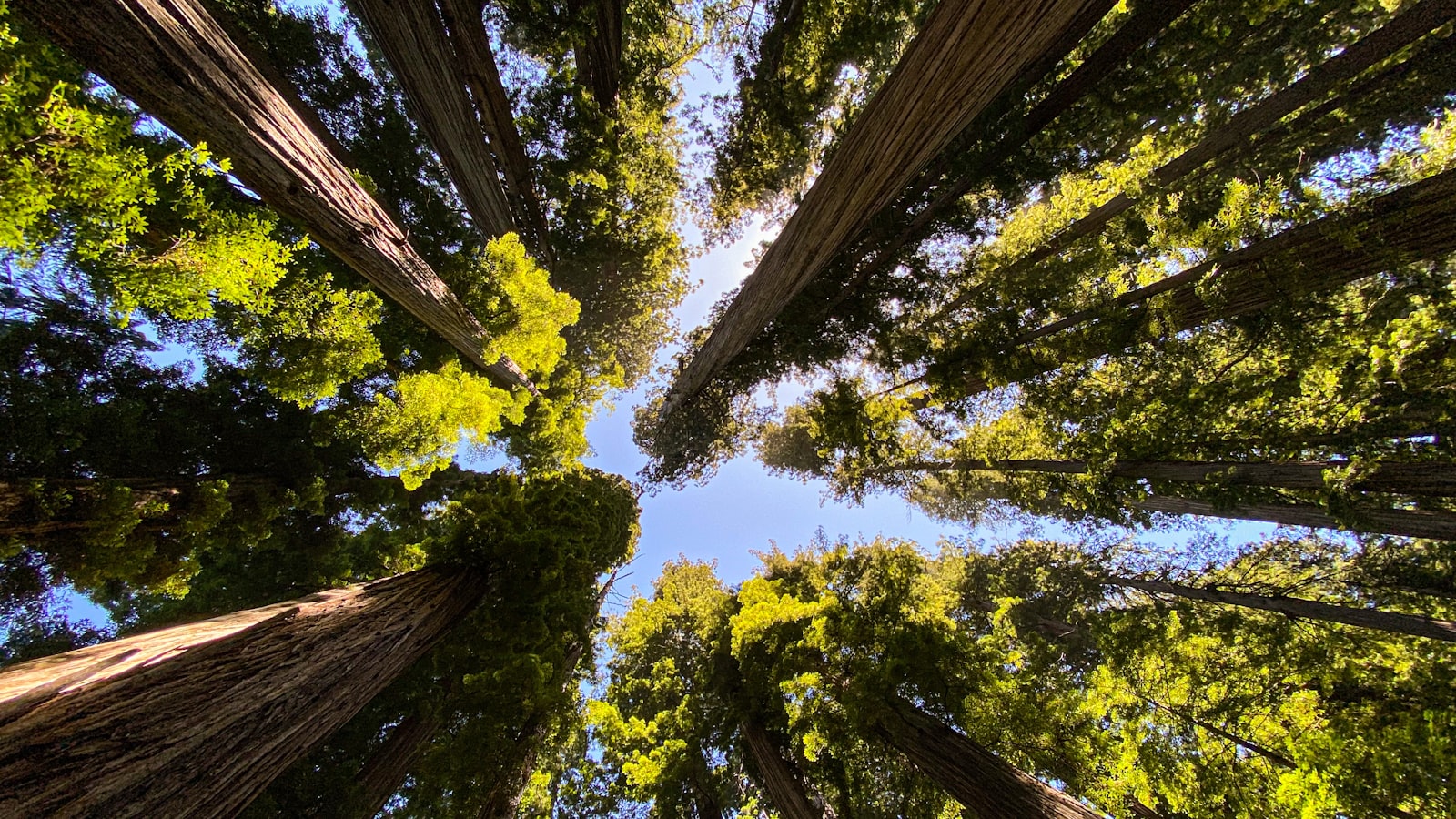
Seventy-five sites and four cabins under old-growth coast redwoods, arranged around the meadow where the Roosevelt elk herd grazes in plain view of camp. Ten miles away is Fern Canyon, a narrow cut with 50-foot walls carpeted floor to ceiling in five-fingered ferns. Spielberg shot part of The Lost World in it, which tells you how little imagination the place requires. Book the meadow-side sites if you want elk for an alarm clock.
See Elk Prairie on Campgrounder →2. Pfeiffer Big Sur State Park
The campground sits inland along the Big Sur River under redwoods and sycamores, which is the trick of the place: you are a few minutes from the most photographed coastline in America and you sleep in a river canyon. Pfeiffer Falls drops 60 feet a short walk from camp. Buzzard's Roost climbs to a ridge with the whole coast laid out below it, and the River Gorge Trail stays low and cool when the afternoon turns hot.
See Pfeiffer Big Sur on Campgrounder →3. North Pines, Yosemite
Eighty-one sites on the tongue of land where Tenaya Creek runs into the Merced, at the quiet end of Yosemite Valley. Half Dome stands directly overhead. Yosemite Falls shows across the meadow. The Mirror Lake trail starts at the edge of the loop, so the walk everyone drives to begins at your tent instead. Reservations open five months out on the fifteenth of the month and go in minutes, so set a reminder and be typing.
See North Pines on Campgrounder →4. Moro, Crystal Cove State Park
Fifty-seven sites on a bluff over the Pacific between Newport and Laguna, which in Southern California is close to a miracle. Twenty-seven take hookups and the rest are tent sites, and the ocean is in view from most of them. Below camp is the Crystal Cove Historic District, 46 beach cottages from the 1930s and 40s still standing in the sand, with the Beachcomber Café serving breakfast among them. No wood fires here, so bring propane.
See Moro on Campgrounder →5. Jumbo Rocks, Joshua Tree
At 124 sites this is the largest campground in the park, and it does not feel like it, because the monzogranite piles it is scattered through swallow whole loops at a time. Sites sit in pockets between boulders with rock on three sides. The Skull Rock Trail, a 1.8-mile loop, begins inside the campground. Stay up. This is one of the darkest skies within three hours of ten million people.
See Jumbo Rocks on Campgrounder →So why California?
The stat everyone quotes is that California has nine national parks, more than any other state, and 280 units in its state park system. True, and it explains the access, not the beauty. Congress does not make landscapes. It only notices them.
The real answer is that California sits on a plate boundary and has been getting rebuilt from underneath for a very long time. Three things follow from that, and all five of these camps are downstream of one of them.
The Sierra is one enormous buried rock, uncovered
Under Yosemite is the Sierra Nevada batholith, a mass of granite that cooled miles below the surface when an ocean plate was diving under the continent. The range was then lifted and tilted, and glaciers spent the ice ages scouring the cover off it. What you look at from North Pines is not a mountain with a cliff on it. It is the inside of a mountain, exposed. That is why the walls are so clean and so vertical, and why nowhere else quite looks like Yosemite Valley.
A cold current builds a fog belt, and the fog builds the trees
The California Current drags cold water south along the coast, and where it meets warm summer air it makes the fog that hangs over the northern coast most mornings. Coast redwoods drink it. That narrow, wet, mild strip is the only place on Earth they grow, and it runs from Big Sur to just past the Oregon line, which is exactly the span between Pfeiffer Big Sur and Elk Prairie. The same current cools the Southern California coast, which is why Moro is pleasant on a bluff in August while the inland valleys bake.
Everything the mountains block ends up desert
Storms crossing the state hit the Sierra and the Transverse Ranges, drop their water on the way up, and arrive on the far side dry. That rain shadow is Joshua Tree, and it is Death Valley, and it is the reason you can drive from Badwater Basin at 282 feet below sea level to the summit of Mount Whitney at 14,505 feet, the lowest and highest points in the contiguous United States, and cover about 85 miles doing it.
Stack those three and you get the thing that still surprises people: the tallest tree on Earth, the largest tree on Earth, and the oldest are all in California, and all three are different species. The tallest is a coast redwood in Redwood National and State Parks. The largest by volume is General Sherman, a giant sequoia on the Sierra's western slope. The oldest is a Great Basin bristlecone pine in the White Mountains, on the desert side, past 4,800 years old. Fog, granite and rain shadow, one per superlative. No other state has the geography to hold all three.
There are 113 California campgrounds on Campgrounder now, from the redwood coast to the Mojave, and we are still adding.
Find your California camp →